If you've searched for astaxanthin and the perimenopause, you'll have found some big promises. Here's a straight answer: what astaxanthin is, what the research does and doesn't show for women in midlife, and what to ask before taking it alongside HRT.
The short answer
Astaxanthin is a natural red pigment made by algae. There isn't good evidence that it eases perimenopause or menopause symptoms, and there are no authorised health claims for it in the UK. So we don't claim it does anything for the menopause, and we'd be cautious of products that say it does.
What is astaxanthin?
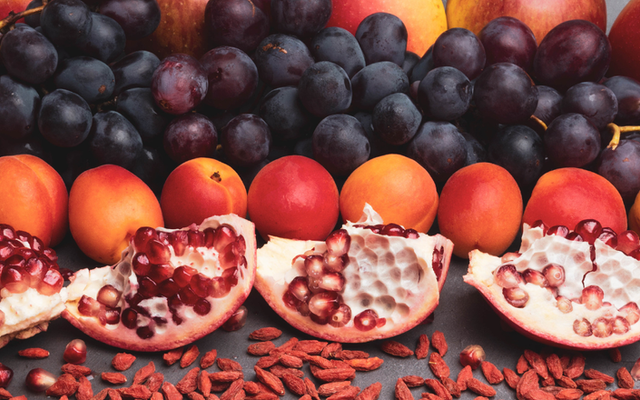
Astaxanthin is a carotenoid, from the same family of pigments as the beta-carotene in carrots and the lycopene in tomatoes. It's made by a microalga called Haematococcus pluvialis, and it's what gives salmon and prawns their pink colour. There's more on where it comes from in What is astaxanthin?.
Does astaxanthin help with perimenopause or menopause symptoms?
Most of the research on astaxanthin is early-stage: laboratory studies and small trials in people. Very few studies have looked at women going through the perimenopause or menopause, and none we know of is strong enough to show that astaxanthin helps with menopause symptoms.
If symptoms are affecting your day-to-day life, the treatments with the best evidence are HRT and, for some women, other prescribed medicines or cognitive behavioural therapy (CBT). Your GP or a menopause specialist can talk you through the options.
Does astaxanthin affect oestrogen?
Astaxanthin is a carotenoid, not a phytoestrogen. Phytoestrogens are plant compounds, such as the isoflavones in soya and red clover, that are similar in shape to oestrogen. We're not aware of good evidence that astaxanthin raises or lowers oestrogen levels.
Can I take astaxanthin with HRT?
Ask your GP or pharmacist before you take any supplement alongside HRT or other medicines. Tell them everything you take, with the doses, so they can check it against your prescriptions and your health. This matters most if you take several medicines, or have a medical condition.
Getting astaxanthin from food
You'll find small amounts of astaxanthin in:
- Salmon and trout
- Prawns and shrimp
- Crab and lobster
The NHS recommends at least two portions of fish a week, including one of oily fish such as salmon. That's a good place to start for your diet as a whole, whatever you decide about supplements.
Where astaxanthin fits in our range
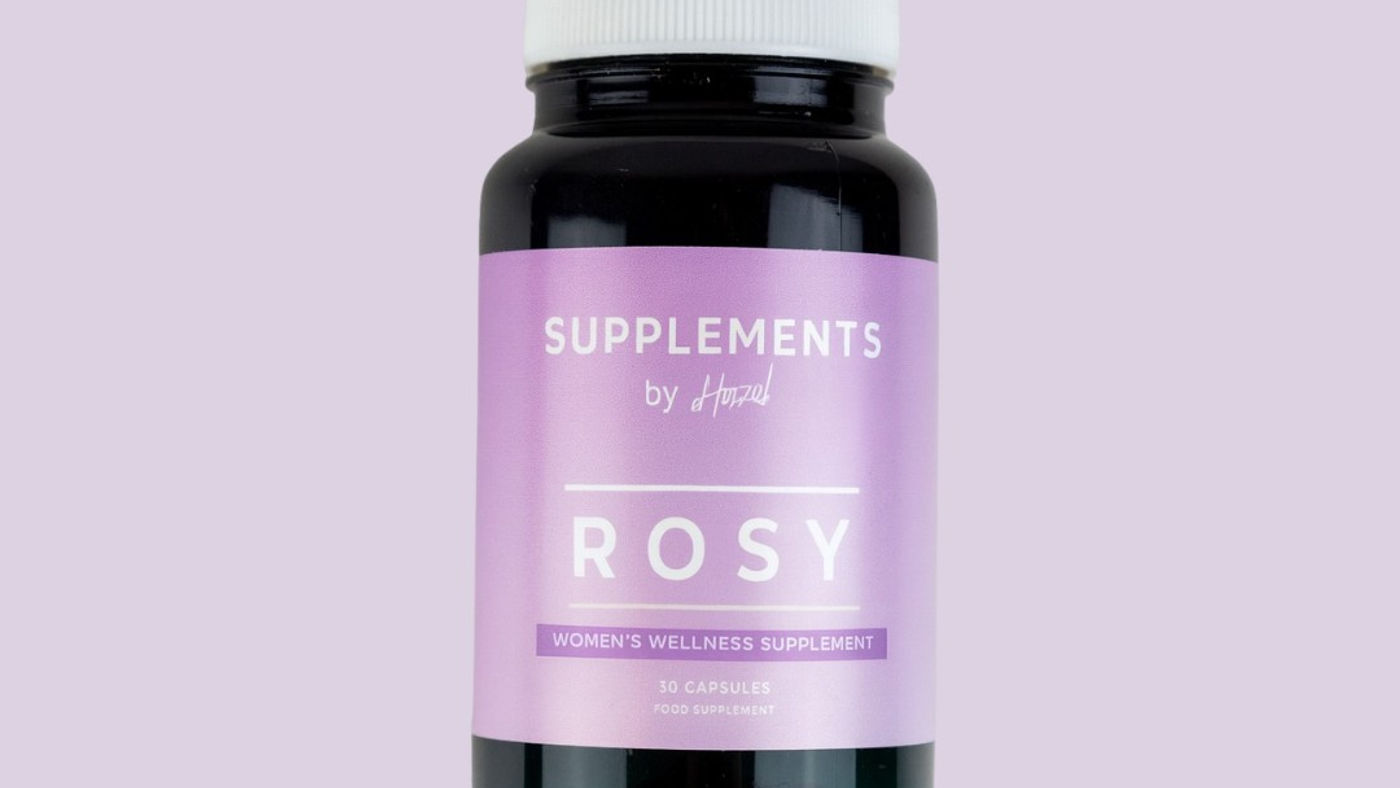
Astaxanthin is one of the ingredients in Rosy, our supplement for the years after the menopause. Each capsule contains 4mg of astaxanthin (extract 3%, from Haematococcus pluvialis). We list it as an ingredient and make no health claims for it. Rosy's claims come from its vitamins: vitamin C contributes to normal psychological function, and vitamin D to the maintenance of normal bones.*
If you're in the perimenopause, Peri is the supplement Hazel made for that stage, with ashwagandha, saffron and biotin. Biotin contributes to the maintenance of normal skin and hair.*
For what to look for on a label, and which nutrients have authorised claims, read our guide to choosing a menopause supplement.
Food supplements should not be used as a substitute for a varied, balanced diet and a healthy lifestyle. If you're pregnant, breastfeeding, taking medication or have a medical condition, speak to a healthcare professional before taking a new supplement.
*Authorised health claims under the UK Nutrition and Health Claims Register.